Pure Himalayan Goodness, Delivered to Your Doorstep

Himalayan Pink Salt Side Effects: Is It Really as Healthy as People Say?
Discover the side effects of Himalayan pink salt, including high sodium risks, iodine deficiency, and common health myths. Learn how to use it safely in your diet.
Himalayan Harvesting
4/28/20263 min read
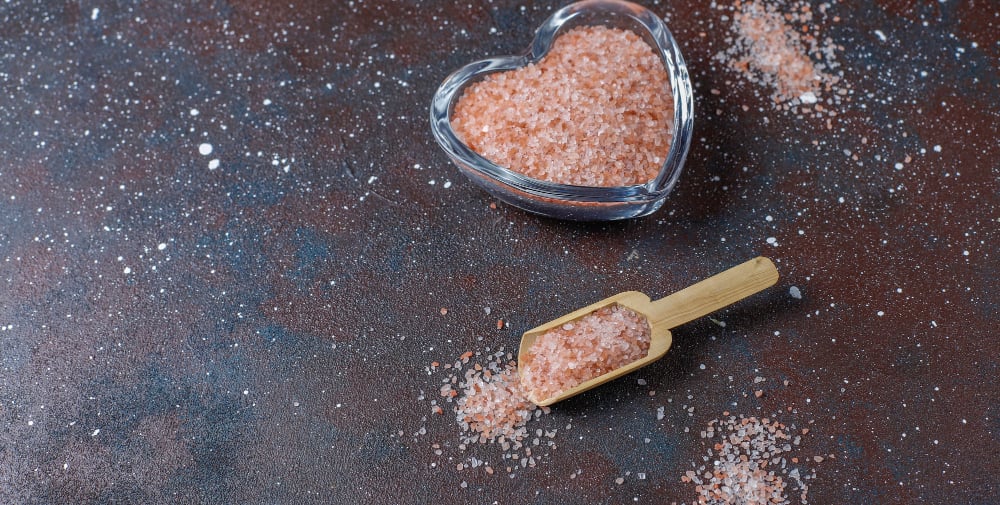
Himalayan pink salt has this “health halo” around it. You see it in aesthetic kitchen jars, wellness reels, even in those morning salt-water drink trends. It feels healthier than regular salt—less processed, more natural, maybe even better for you.
But once you strip away the marketing, things look a bit different.
Let’s talk honestly about the side effects of Himalayan pink salt—without the hype.
First, what makes it different?
Not much, honestly.
Yes, it’s mined from natural salt deposits in Pakistan. Yes, it has a pink tint from trace minerals. But nutritionally? It’s still mostly sodium chloride—just like regular table salt.
Those “80+ minerals” you’ve heard about? They exist, but in such tiny amounts that they don’t really do anything meaningful for your body.
Where problems can start
1. It’s still easy to overdo it
This is probably the biggest issue.
Because Himalayan pink salt is marketed as the “better” option, people tend to be more relaxed about how much they use. A little extra here, a pinch more there—it adds up.
Too much sodium, no matter the source, can lead to:
higher blood pressure
that puffy, bloated feeling
long-term strain on your heart
Your body doesn’t care that the salt is pink.
2. You could be missing iodine without realizing it
This one flies under the radar.
Regular table salt usually has iodine added to it. Pink salt doesn’t (or only in negligible amounts). If you’ve fully switched and your diet doesn’t include other iodine-rich foods, you might be falling short.
Over time, that can affect your thyroid and show up as:
low energy
unexpected weight changes
feeling sluggish for no clear reason
It’s subtle, which is why people often don’t connect the dots.
3. Those “detox drinks” aren’t doing you favors
If you’ve seen the trend—warm water with Himalayan salt first thing in the morning—you’re not alone.
It sounds healthy. It isn’t really.
There’s no solid evidence that it “detoxes” anything. Your liver and kidneys already handle that job. What you are doing, though, is adding extra sodium to your day before you’ve even had breakfast.
Not a great trade-off.
4. Trace impurities are a small but real factor
Because it’s less processed, Himalayan pink salt can contain tiny amounts of things you probably don’t want—like heavy metals.
To be clear, the amounts are usually very low. This isn’t something to panic about. But it does challenge the idea that it’s somehow “cleaner” or purer than regular salt.
5. Some people need to be extra careful
For certain conditions, salt intake matters more—regardless of the type.
If you’re dealing with:
high blood pressure
kidney issues
heart problems
…then switching to pink salt doesn’t make it safer. The sodium is still there, doing the same thing.
So… is it actually better?
Not in the way people think.
If you like the taste or texture, sure—use it. But from a health perspective, it’s not a game-changer. In one important way, regular salt even has an edge because of the added iodine.
How to use it without going overboard
You don’t need to avoid Himalayan pink salt completely. Just keep it in perspective:
treat it like any other salt, not a health supplement
don’t rely on it as your only source of iodine
skip the wellness trends that revolve around drinking it
pay attention to your overall salt intake, not just the type
The bottom line
Himalayan pink salt isn’t harmful on its own. The issue is how it’s perceived.
Most of the side effects of Himalayan pink salt come down to two things: too much sodium and not enough iodine. And both of those are easy to overlook when something is constantly labeled as “healthy.”
It’s fine to use. Just don’t give it more credit than it deserves.
Quick answers people usually look for
Is Himalayan pink salt safer than regular salt?
No real difference when it comes to sodium—it needs the same moderation.
Can it increase blood pressure?
Yes, if you consume too much of it.
Should I drink salt water daily?
There’s no real benefit, and it can push your sodium intake higher than needed.
Does it actually detox the body?
No—your body already has systems in place for that.